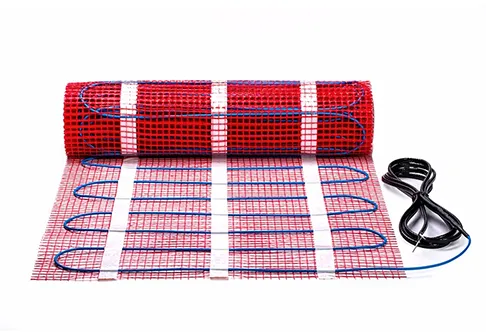
Heating cables convert electrical energy into heat through resistive materials. There are two main types: self regulating heat trace and constant wattage heat trace. Understanding how does heating cable work is key to choosing an efficient and safe electric heat tracing solution.
How Does Heating Cable Work? Understanding Self Regulating Heat Trace
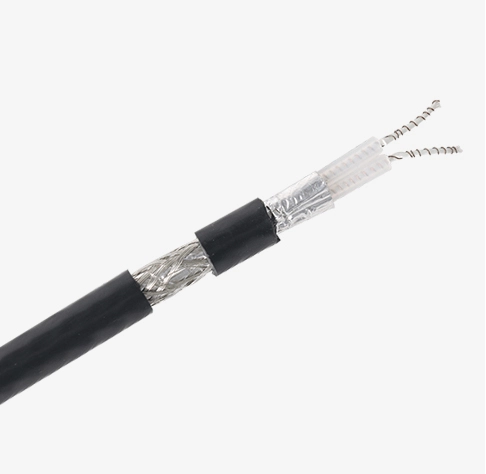
Heating cables generate heat when electric current passes through their resistive core. And self regulating heating cables use self limiting heater materials and self regulating heat tracing technology.
The conductive core contains a special carbon-polymer matrix. At low temperatures, it conducts electricity well and produces more heat. As temperature rises, the material expands, increasing electrical resistance and automatically reducing heat output. This intelligent self-regulation, known as Self-limiting electric heat tracing, makes self regulated heating cable safe and highly efficient. How does heat trace work depends largely on local ambient conditions.
Does Self Regulating Heat Trace Use a Lot of Electricity?
The energy consumption of self regulating heating cables depends on several key factors, including cable length, power density, age of use, and ambient temperature. Generally speaking, self regulating heat trace consumes relatively low electricity compared to traditional systems, but reasonable selection and proper usage can further improve efficiency.
Cable Length: Longer self regulating heat trace cables cover larger areas and naturally consume more electricity overall.
Power Density: Measured in watts per meter (W/m), higher power density provides faster heating but increases energy consumption. For example, a 20 W/m self regulating heating cable will use more power than a 10 W/m version.
Age of Use: Over time, material degradation may reduce efficiency, causing older self regulating heat tracing cables to consume more electricity to achieve the same heating effect.
Ambient Temperature: In colder environments, self regulating heat trace needs to run longer or at higher output to prevent freezing, leading to increased energy use. In milder weather, it operates less frequently, saving electricity.
Thanks to self limiting heater materials, self regulating heating cables automatically adjust their heat output, often resulting in 30–60% energy savings compared to constant wattage systems. Proper insulation and reasonable usage time can further reduce consumption.
For more detailed information, feel free to explore our article on how many amps does heat tape use.
Choices for the Best Self Regulating Heating Cables
Choosing the best self regulating heating cables requires careful consideration of several important aspects to ensure optimal performance, energy efficiency, and safety:
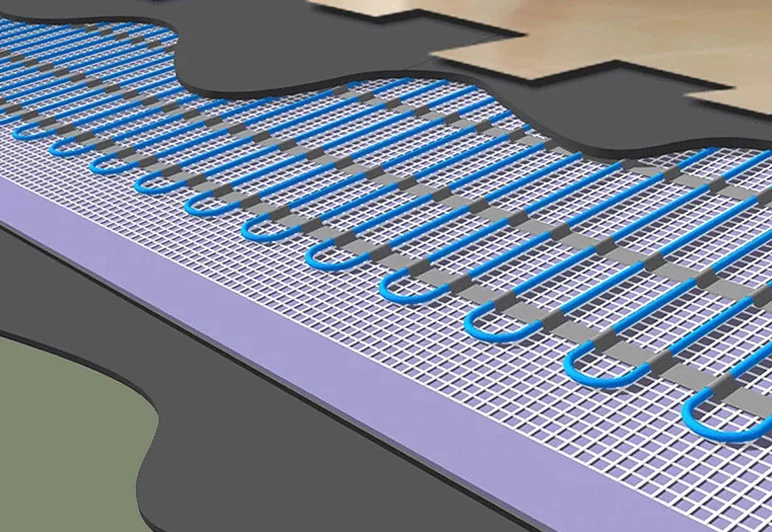
Adapt to the Environment: Different application scenarios have different requirements, such as pipe anti-freeze, roof de-icing, floor heating, or industrial process maintenance. Select self regulating heat trace products that are specifically suited to your environment. For example, electric underfloor heating wire is an excellent choice for users seeking efficient and consistent heating solutions for homes or commercial spaces.
Power Density: Choose the appropriate power density (W/m) according to the size and characteristics of the area that needs heating. Too high a power density may lead to unnecessary energy consumption or overload, while too low a density may fail to meet the required heating effect.
Durability: Consider the service life and material quality of the self regulating heat tracing cables. High-quality self regulating heating cables use high-temperature-resistant, corrosion-resistant, and long-life materials, allowing them to operate stably for many years even in harsh outdoor or industrial environments.
Safety: Self regulating heat trace should include essential safety features such as overload protection, overheating protection, and leakage protection. The built-in self limiting heater materials provide inherent temperature safety, making self regulated heating cable one of the safest options in electric heat tracing systems.
Warm self regulating heating cable and self regulated heat trace are widely recommended for their excellent balance of performance, efficiency, and reliability.
Factors Affecting Energy Consumption of Self Regulating Heat Tracing Cables
The biggest advantage of self regulating heat tracing technology lies in its energy efficiency. Self limiting heater materials allow self regulating heat tracing cables to produce only the necessary heat according to actual needs. Good thermal insulation, professional installation, and the use of a thermostat in a heat trace circuit can further optimize energy consumption. In practice, many users report significant long-term savings when using high-quality self regulating heat tracing cables. Choosing the best electrical heat tracing cable requires comprehensive consideration of factors such as environmental adaptability, power density, durability and safety. As a professional heating cable manufacturer, Wuhu Jiahong New Material Co Ltd provides high-quality district heating cables and excellent services, which are worth considering.
If you are in need of high quality electrical heat tracing cables, please consider contacting Jiahong Company for more ordering information.
Popular Search Insights into Electrical Heating System


 EN
EN
 ja
ja  ko
ko  fr
fr  de
de  es
es  it
it  ru
ru  pt
pt  ar
ar  vi
vi