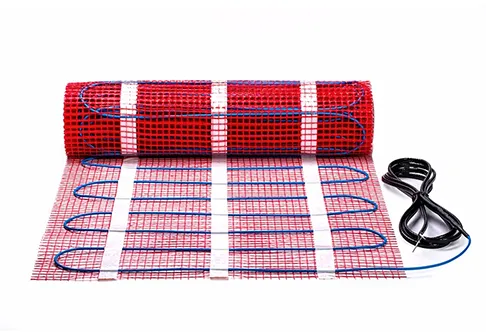
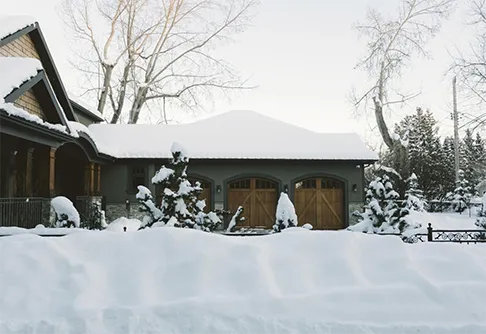
Self regulating heat traces are widely used for pipe freeze protection and roof de-icing in humid environments. However, standard self regulating heat tracing cables are not recommended for prolonged direct immersion in water.
As a leading China heating cable manufacturer, Jiahong designs most self regulating heating cables to handle occasional splashes, condensation, or high humidity. Continuous submersion can damage the outer jacket, weaken insulation, and raise risks of electrical faults or shock. For full immersion applications such as ponds, aquariums, or water tanks, only specially engineered waterproof self-limiting electric heat tracing models should be selected.
How Does Self Regulating Heat Trace Work in Wet Conditions?
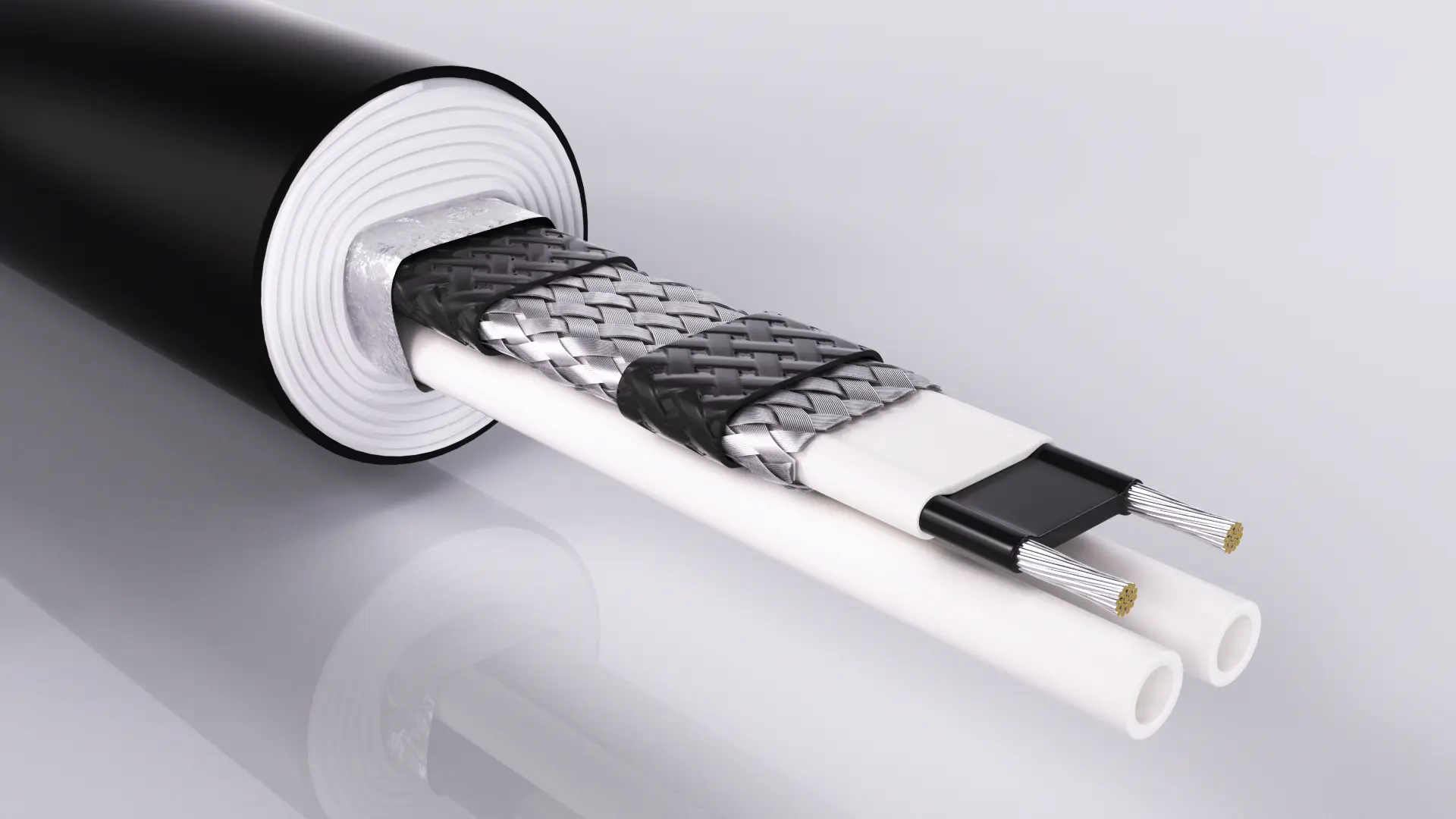
Self regulating heating cables rely on self limiting heater materials with Positive Temperature Coefficient (PTC) technology. The conductive core automatically adjusts heat output — producing more heat in colder sections and less in warmer ones. This intelligent self regulating heat tracing technology ensures excellent energy efficiency and inherent safety.
In wet conditions, multi-layer insulation and optional grounding braid maintain reliable performance. Still, how does heat trace work safely underwater depends on proper waterproof design and professional installation. Standard models suit damp locations, while full submersion requires dedicated waterproof versions.
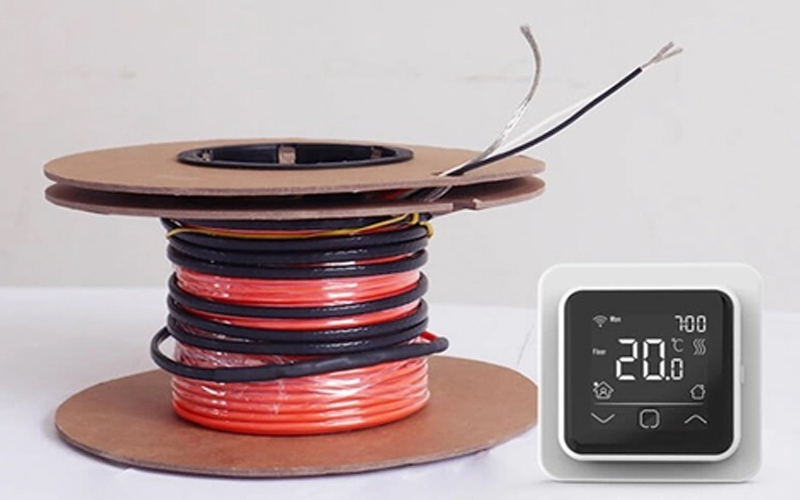
Safety Precautions for Self Regulating Heat Tracing Cables in Water
Safety must always come first when using self regulating heat tracing near or in water:
Choose waterproof-rated self regulating heat trace cable for immersion needs.
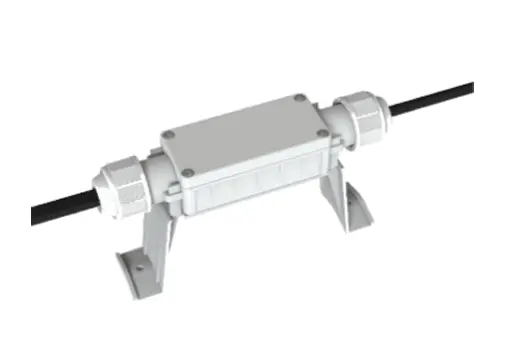
Install with high-quality end seals, splice kits, and proper grounding to prevent water ingress.
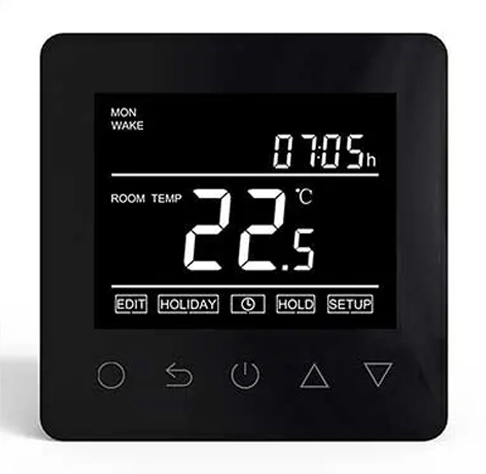
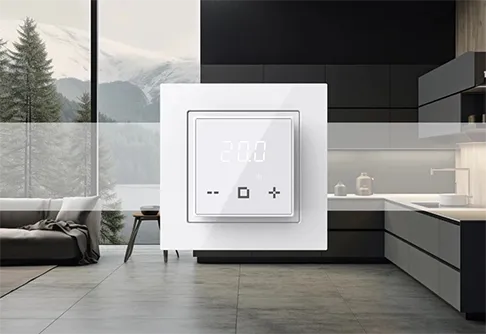
Add a thermostat in the heat trace circuit to control temperature and save energy.
Perform regular inspections for jacket damage or insulation wear.
Follow manufacturer guidelines and seek professional advice before installation.
The self-limiting feature of self regulated heating cable provides built-in overheat protection, but correct installation remains essential.
Self-Regulating vs Constant Wattage Heat Trace for Wet Environments
When selecting solutions for moist or wet conditions, it is important to understand the differences:
Self regulating heating cables automatically adjust power output according to temperature changes. This makes them highly efficient with lower energy consumption and reduced overheating risks in variable wet environments.
Constant wattage heat trace delivers fixed heat output along its entire length, which is useful for uniform heating but often requires a thermostat and extra protection in wet areas.
For water immersion, carefully evaluate your requirements and choose the appropriate waterproof-rated cable. Self regulating heat tracing cables generally offer better energy efficiency for most freeze protection tasks. Many users also combine them with electric underfloor heating loose cable in mixed applications.
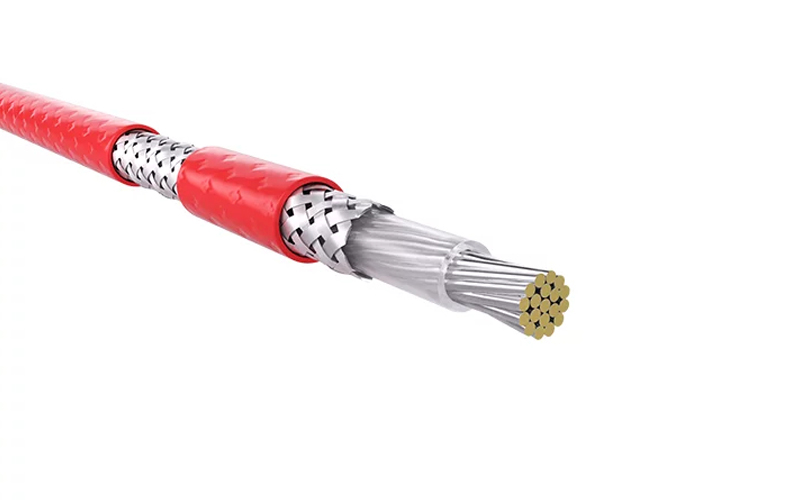
Why Choose a Reliable Heating Cable Factory for Self Regulating Solutions?
With more than 25 years of experience in electric heating systems, a trusted heating cable factory produces high-quality self regulating heat tracing cables and complete trace heating systems. Products such as self regulated heat cable are manufactured to international standards (UL, CE, CSA, ATEX, etc.).
Whether you need guidance on how does trace heating work in wet conditions or custom self regulating heating trace solutions, partnering with an experienced China heating cable supplier ensures reliable and cost-effective results.
A Deep Dive into Electrical Heating Cable System


 EN
EN
 ja
ja  ko
ko  fr
fr  de
de  es
es  it
it  ru
ru  pt
pt  ar
ar  vi
vi