What Is Heat Tape for Driveway and How Does It Work?
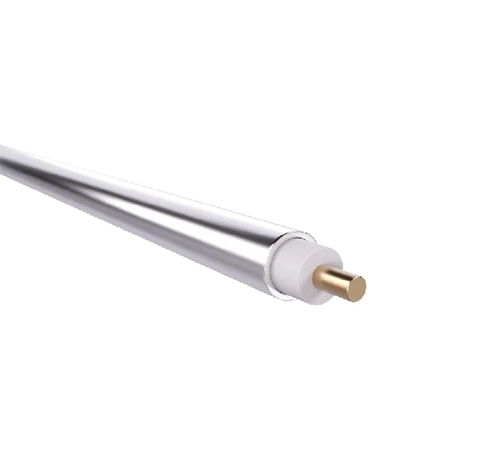
Heat tape for driveway is an advanced electrical heating solution designed to prevent snow and ice accumulation during winter. Installed beneath or along the surface of driveways, this specialized heating cable produces consistent warmth that melts snow as it falls, keeping the surface safe and free from ice buildup. The technology behind heat tape for driveway systems relies on electrical resistance heating—when electric current flows through the conductive core of the cable, it generates heat that spreads evenly across the driveway surface. This ensures that snow is melted efficiently even during extreme cold conditions. For manufacturers like Jiahong, known for over 25 years of expertise in heating cable innovation, such systems represent a reliable way to combine safety, efficiency, and comfort in residential and commercial properties during harsh winter months.
Key Factors to Consider When Choosing Heat Tape for Driveway
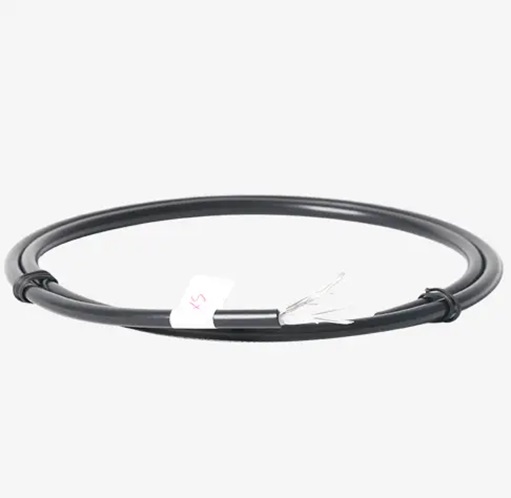
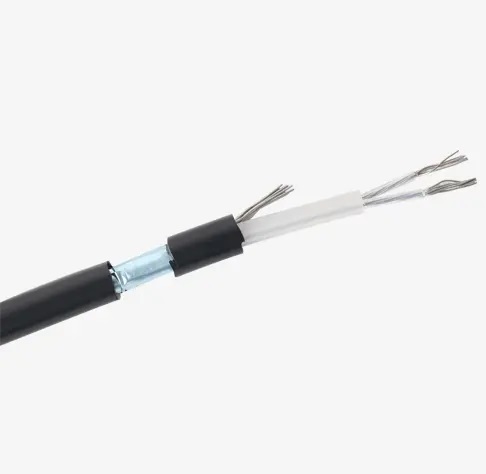
When selecting the right heat tape for driveway, several performance characteristics determine its efficiency and reliability. One essential factor is temperature adaptability—the ability of the cable to respond to fluctuating weather conditions and maintain steady heat output without overheating. The material quality of the insulation and the outer sheath also plays a vital role, as the cable must withstand heavy loads, vehicle pressure, and exposure to moisture and road chemicals. Flexibility and installation ease are equally important, especially when the heat tape must be laid across long driveways or curved surfaces. Jiahong's advanced heating cables are designed to meet these conditions with durable, weather-resistant materials and consistent heating performance that prevents ice from bonding to concrete or asphalt surfaces. Selecting a cable that balances heating efficiency, durability, and flexibility ensures long-term functionality and dependable snow removal during winter.
Why Is Heat Tape for Driveway Important in Cold Regions?
Homeowners and property managers in cold climates often ask why heat tape for driveway systems are essential when manual snow removal is possible. The answer lies in safety, convenience, and long-term protection. Traditional snow shoveling or de-icing chemicals can cause surface damage, require constant labor, and fail to prevent thin ice layers that pose slipping hazards. Heat tape for driveway solutions, however, provide continuous protection, ensuring the driveway remains clear even overnight or during heavy snowfall. These systems prevent refreezing and reduce maintenance effort, protecting vehicles and pedestrians from accidents. Furthermore, by maintaining an ice-free surface, the underlying driveway material—whether concrete, paver, or asphalt—experiences less stress from freeze-thaw cycles, extending its lifespan. In industrial and commercial applications, such systems also improve accessibility, maintaining smooth traffic flow in loading zones or parking lots even during severe winter storms.
Different Types of Heat Tape for Driveway and Their Applications
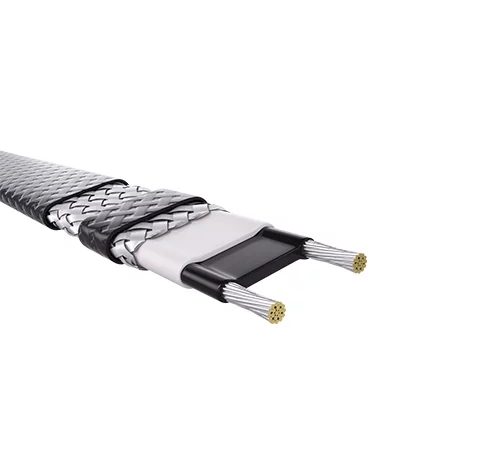
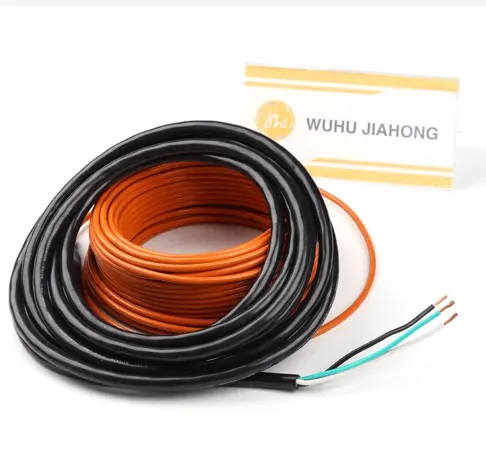
Modern heat tape for driveway options include both constant wattage and self-regulating heating cables, each serving different purposes. Constant wattage cables provide uniform heat output along their entire length, suitable for driveways with predictable snow conditions. Self-regulating cables, on the other hand, adjust their heat output automatically depending on the surrounding temperature, offering intelligent energy management and reducing the risk of overheating. For residential driveways, self-regulating cables are often preferred for their adaptability and energy efficiency. In contrast, commercial or industrial driveways that require rapid snow melting over large areas may benefit from constant wattage systems due to their strong and consistent heating power. Jiahong, as a trusted manufacturer, integrates advanced insulation materials and precise thermal control technology into its heat tape for driveway products, ensuring safe and efficient operation under all environmental conditions.
Installation and Maintenance Tips for Heat Tape for Driveway Systems
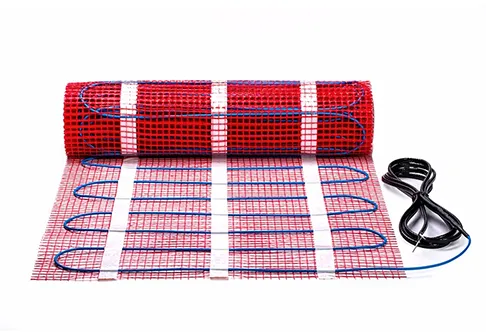
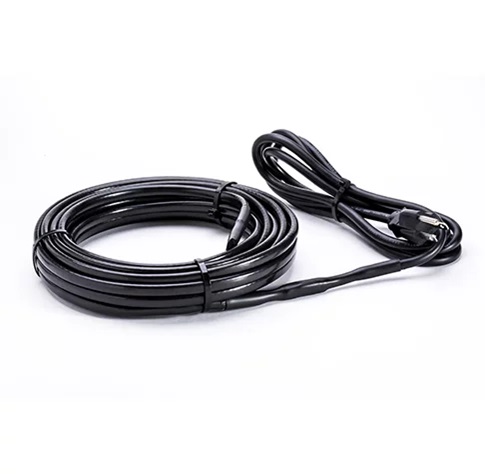
Proper installation and maintenance are crucial to maximize the performance of heat tape for driveway systems. The heating cables should be installed beneath the driveway surface before paving or embedded in concrete, ensuring full contact for effective heat transfer. For existing driveways, surface-mounted solutions can also be used, especially for retrofitting or small-area snow melting. The layout should ensure even coverage without cable overlapping to prevent uneven heating. After installation, the system operates automatically when temperatures drop, requiring minimal supervision. Regular inspections before the winter season can help detect possible insulation wear or connection issues, ensuring reliable operation throughout the cold months. Jiahong's heating cables are designed for long-term durability and minimal maintenance, providing a dependable snow-melting solution that enhances safety and convenience in cold climates.


 EN
EN
 ja
ja  ko
ko  fr
fr  de
de  es
es  it
it  ru
ru  pt
pt  ar
ar  vi
vi