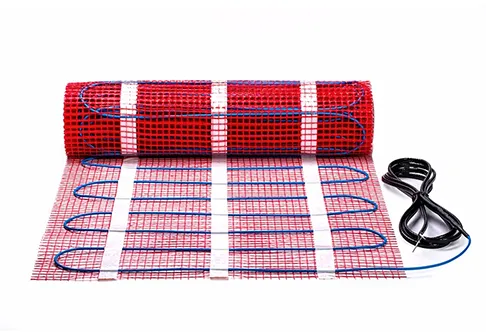
The Role of Electrical Tracing Tape in Solar Pipeline Systems
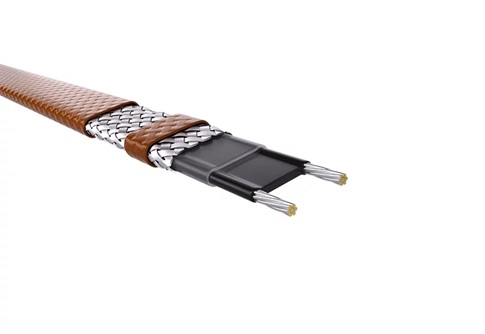
In solar water heating and energy systems, maintaining consistent temperature along the fluid pipeline is crucial for performance and efficiency. The electrical tracing tape plays an essential role by providing controlled heat that prevents fluid freezing, improves thermal transfer, and ensures smooth operation even in cold climates. It is especially vital for solar systems where exposed pipes are vulnerable to low temperatures during the night or winter. Jiahong, as a leading manufacturer in Asia-Pacific, offers electrical tracing tapes designed to adapt to temperature fluctuations automatically, ensuring steady heat supply without manual intervention. By integrating electrical tracing tape into solar pipelines, users can maintain the balance between energy saving and performance reliability, which directly supports the overall efficiency of renewable energy systems.

Why Electrical Tracing Tape is Ideal for Solar Energy Applications
The electrical tracing tape provides uniform heat distribution along the entire pipe, preventing blockages or freezing within the solar circuit. Unlike conventional insulation materials, which only slow heat loss, electrical tracing tape actively maintains the fluid temperature within the optimal range. This makes it indispensable for solar-powered systems that depend on fluid circulation for heat exchange. The flexibility of Jiahong's tracing tapes allows them to be installed easily around curved or complex pipeline layouts, ensuring full coverage and efficient heating. Additionally, these tapes are engineered with durable outer insulation that resists UV radiation and moisture, ensuring stable performance even in outdoor or rooftop installations. This combination of efficiency, adaptability, and durability makes electrical tracing tape an intelligent heating solution for modern solar pipelines.
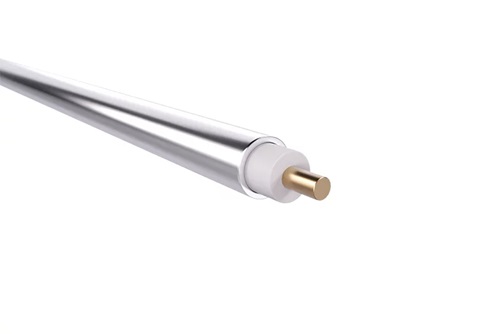
How Does Electrical Tracing Tape Improve Energy Efficiency in Solar Systems?
A common question arises: how does electrical tracing tape enhance the overall efficiency of a solar pipeline system? The answer lies in its ability to minimize energy waste through precise temperature control. The self-regulating feature of electrical tracing tape means that when the surrounding temperature rises, the heat output automatically decreases, conserving energy while maintaining the correct thermal balance. Conversely, when the temperature drops, the tape increases heat output to prevent freezing. This responsive behavior eliminates the need for constant manual monitoring or complex control systems. Moreover, in solar heating networks where temperature consistency is critical to fluid flow and system stability, electrical tracing tape acts as an intelligent safeguard that ensures reliability without excessive power consumption.
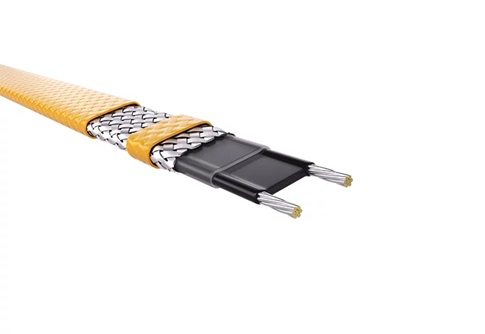
Comparing Electrical Tracing Tape with Conventional Insulation Methods
Feature | Electrical Tracing Tape | Conventional Insulation |
Heat Source | Active self-heating through electric resistance | Passive heat retention only |
Temperature Control | Self-regulating and responsive | Fixed, depends on external temperature |
Application in Solar Systems | Prevents freezing and improves fluid flow | Only delays heat loss |
Durability | Resistant to moisture, UV, and chemicals | Prone to degradation in outdoor environments |
Maintenance | Minimal, automated control | Requires periodic inspection and replacement |
The table above shows how electrical tracing tape outperforms traditional insulation in both functionality and reliability. In solar systems, where thermal balance is key, passive insulation cannot sustain constant temperatures during temperature fluctuations, while electrical tracing tape ensures active heating and stable operation throughout the system.
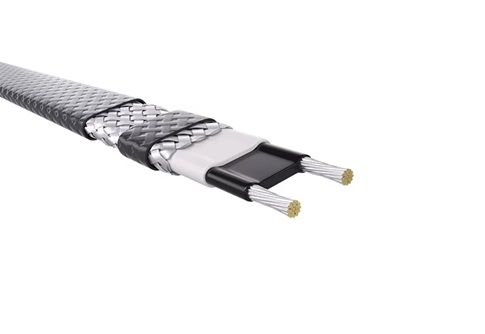
Key Maintenance Practices for Electrical Tracing Tape in Solar Pipeline Systems
To ensure long-term performance, it is essential to carry out basic maintenance for the electrical tracing tape used in solar pipeline systems. Regular inspection of connections, insulation resistance, and temperature response helps maintain stable functionality. Cleaning the tape's surface and checking for physical damage can prevent interruptions or inefficiency. The electrical tracing system should also be tested periodically to verify that it activates automatically in low temperatures. Jiahong's tracing tapes are designed for durability and easy inspection, with robust materials that withstand prolonged use under solar exposure and temperature variations. Consistent maintenance ensures that the heating system continues to operate efficiently, guaranteeing stable solar water flow and optimal energy utilization.


 EN
EN
 ja
ja  ko
ko  fr
fr  de
de  es
es  it
it  ru
ru  pt
pt  ar
ar  vi
vi